Jueteng
Explore the intricacies of jueteng, a gambling tradition deeply woven into cultural and socio-economic fabrics, and how it intersects with political and technological landscapes.
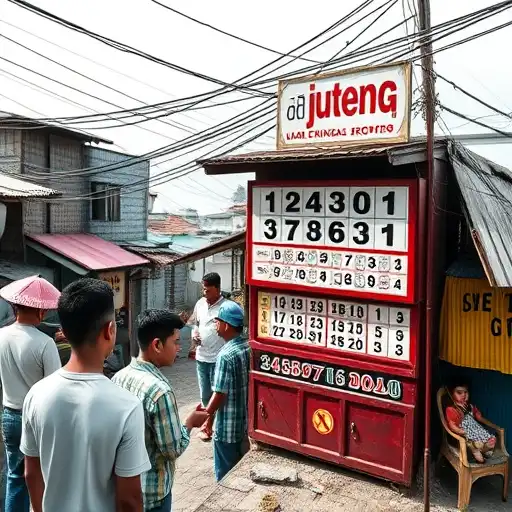
Understanding Jueteng: A Deep Dive into the Infamous Numbers Game
Jueteng has long been a topic of controversy and fascination in various parts of the world. This illegal numbers game has entrenched itself deeply in regions like the Philippines, where it is perceived as a complex web of cultural, economic, and political factors. Surrounded by myths and legends, jueteng draws in not only gamblers but also influences local politics and social structures.
The Cultural Fabric of Jueteng
Jueteng originated from the Chinese game hue teng, which translated to "flower betting." Over the years, it morphed into a local Filipino adaptation that engrossed the masses due to its simplicity and potential for big rewards with minimal investment. Two numbers drawn daily, and the allure of transforming a small bet into a substantial payout, caught the imaginations of many and integrated itself as a staple of local culture.
Jueteng often operates outside the law, yet it remains deeply woven into the daily life of the communities where it thrives. It is not merely a gambling exercise but a way for locals to improve their financial conditions in areas where economic opportunities might be limited. Its widespread acceptance creates an underground network of operators, bet collectors, and participants, forming a niche economy of its own.
The Mechanics of Jueteng
What makes jueteng particularly notorious and resilient is its simplicity paired with a sense of excitement. Players choose a combination of two numbers from 1 to 37. A winning number comes with a prize disproportionate to the amount wagered, making it deeply attractive despite its illegal status. The basic mechanics allow it to spread rapidly, enabling even those with little resources to participate with the hope of high returns.
Many times, the results are drawn twice a day, which only heightens the frenzy and frequency of participation. Its clandestine nature adds a layer of mystery and excitement, drawing more people into its circle day after day.
Economic and Political Impacts
While jueteng might appear a simple betting game from the outside, its presence signifies much more complex socio-economic issues. Regions where jueteng is prevalent often face significant socio-economic challenges. With limited legitimate ways to improve personal wealth, many people see jueteng as a viable escape from poverty, leading to a robust cycle of participation that is hard to break.
From an economic perspective, it serves as an informal economic system providing a source of livelihood for thousands, from bet collectors to draw operators. Despite its illegality, it pumps considerable amounts of money into local economies through off-the-record transactions, often outstripping legal gaming and lottery operations.
Politically, jueteng can wield considerable influence. Often, those involved in the operations of jueteng forge connections with local political figures, which can leverage the organized network for electoral purposes. Instances where politicians either turn a blind eye to its operations or actively engage with those who run jueteng rings have been reported widely. Such alliances often lead to a tacit form of immunity for the practice, further perpetuating its existence.
The Fight Against Jueteng
Efforts to curb the prevalence of jueteng usually meet with mixed success. Law enforcement agencies continually attempt to dismantle these networks, but the roots are spread so broadly and deeply that efforts often only achieve minor disruptions. With many pockets of society relying on it as a source of income or financial hope, wholesale eradication poses significant challenges.
The challenge is for governments to address the socio-economic gaps that make populations vulnerable to the lure of jueteng. Providing legitimate opportunities for financial stability and advancement is pivotal in quelling the dependence on such gambling activities. Meanwhile, continuous efforts for legality and economic stability must also tackle cultural acceptance, which has formed over decades of underground persistence.
Jueteng and the Role of Technology
Today's technological advances have also influenced traditional games like jueteng. The internet provides anonymity and a digital marketplace for illegal betting to thrive, complicating efforts to curb its prevalence. Such technology has made control and oversight significantly more challenging for authorities.
This digital evolution parallels the legitimate gaming industry, such as platforms like "T45.Com: Descubra o Melhor dos Jogos Online Brasileiros Hoje Mesmo♥️," which offer a lawful alternative for players seeking the thrill of betting games in a structured environment. The challenge lies in enticing traditional jueteng players to move to more legitimate means and sensibly regulating these new domains.
Conclusion: A Complex Reality
Jueteng represents a complex reality where legality, culture, and socio-economic factors intersect. While many dream of instant riches, the path to addressing the underlying issues jueteng represents involves economic reforms, cultural dialogues, and innovative solutions to bridge societal disparities. Only through understanding these layers can steps towards resolution and understanding be forged.